
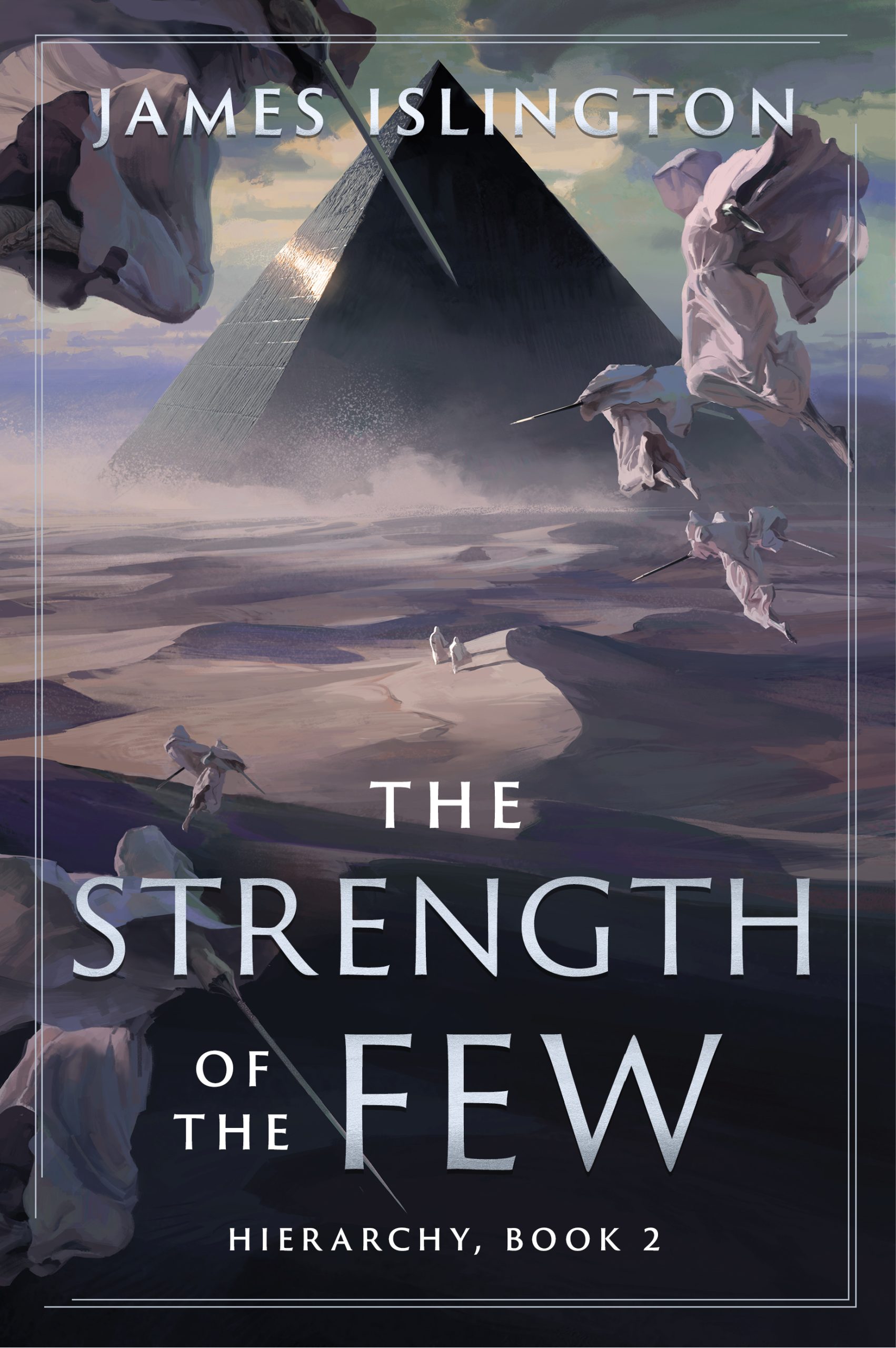
The transition from a breakout debut to a successful sequel is one of the most difficult balancing acts in fantasy literature. In this The Strength of the Few book review, I will explore how James Islington navigates the monumental task of following up one of 2023’s most lauded novels. The Strength of the Few takes the foundations laid in the Catenan Republic and shatters them across three dimensions, offering a reading experience that is as intellectually demanding as it is emotionally charged.
While I found the narrative progression deeply engaging, it is important to note that this sequel sits heavily in the “middle book” category. Unlike its predecessor, which felt like a complete arc, this volume functions as a bridge. It is a necessary, high-stakes journey, but one that leaves the reader perched on a precipice, waiting for the final piece of the puzzle.
Verdict at a glance
Rating: ⭐⭐⭐⭐ (4/5)
Genre: Epic Fantasy / Science-Fantasy
Perfect for: Fans of Red Rising and The Will of the Many, readers who enjoy Roman-inspired world-building, and those who love complex and mysterious magic systems.
The Challenge of the Middle Child
When I sat down to write The Strength of the Few review, I couldn’t help but draw parallels to other major fantasy sequels, most notably The Hunger of the Gods by John Gwynne. There is a specific phenomenon where the second book in a trilogy loses the self-contained magic of the first to set the stage for a grand finale.
For me, this book felt like a stepping stone. While The Will of the Many was a complete story in its own right, The Strength of the Few demands that the third book be ready and waiting on your nightstand. It doesn’t discourage me from the series—far from it—but it does change the rhythm of the reading experience.
An example of this was a character near the end of the book offers Vis some answers about the ‘bigger picture’ of this world and its battles. Vis—who until this point has been clamouring for answers—refuses to listen and storms off, in a deeply frustrating choice that I can only see as a way to delay its reveal until the next book.
A Tale of Three Worlds
The most impressive feat Islington achieves here is the split narrative of Vis Telimus. Following the events of the first book, Vis is replicated across three worlds: Res, Obiteum, and Luceum. It was genuinely gripping to watch how the same core personality diverged into three different characterisations based on the stakes of each world.
The world-building is where Islington truly shines. Each world feels distinct and grounded in historical echoes:
- Res: The familiar, Roman-inspired setting of the first book.
- Obiteum: A world with a distinct ancient Egyptian atmosphere.
- Luceum: A realm steeped in Irish and Celtic mythology.
The threads of similarity (such as the use of Will and the Aurora Columnae) ensure that despite the jumping between dimensions, the story never feels disjointed. Each version of Vis has a pathway into the next book, and the “vibes” of these worlds are expertly curated.
Emotional Stakes and Character Shifts
A vital component of any The Strength of the Few review is acknowledging the emotional weight of the character departures. There is one specific death that changed the entire trajectory of the book for me. It was a “gasping for air” moment that felt earned and devastating. This loss acts as a catalyst for Vis, pushing him into a darker, more cynical space.
However, this character shift led to some of my more critical observations. Toward the end of the novel, Vis makes a decision regarding a defeated enemy that felt slightly out of alignment with his established morals. Consigning an enemy to a fate he considers “worse than death” felt inconsistent with the Vis we have come to know, even taking his grief into account. Additionally, I noticed a distinct lack of autonomous female characters. While Netiquet remains a standout, the world often feels heavily dominated by male agency.
Final Thoughts
James Islington remains one of the most exciting voices in modern fantasy. Despite my frustrations with the cliff-hangers and the refusal of certain characters to provide answers when the protagonist (and the reader!) was ready for them, the sheer scale of the ambition here is undeniable.
The final battle in Luceum and the chaos of what happened in the Basilica are masterclasses in action writing. While it suffers slightly from its position as the middle child of the trilogy, the payoff for the finale is clearly going to be spectacular. I am still very much excited to find out how the trilogy ends.